
Last reviewed: July 16, 2026. This article is for general information and does not replace advice from a licensed clinician.
Editorial review and sources
Editorial review: osvilt.com Editorial Team
Last reviewed: July 16, 2026
This medical article is based on current public medical sources and follows the osvilt.com Medical Review Policy. It is for general information only and does not replace professional care; see our Medical Disclaimer.
Marburg virus disease is a rare but severe viral hemorrhagic fever caused by orthomarburgviruses. Because outbreaks require urgent public-health response, the important questions are exposure history, rapid isolation, supportive care and infection control.
Short answer: Marburg should be considered after travel or exposure in an outbreak area within 21 days plus sudden fever, severe headache, muscle aches, vomiting, diarrhea, rash or bleeding. A suspected case is a medical and public-health emergency, not a home-care problem.
What changed in this update
The article now uses current WHO and CDC framing: Marburg virus disease has a 2-21 day incubation period, can progress quickly, and has no licensed specific antiviral treatment or vaccine. Supportive care and infection control are central.
Symptoms and timing
| Stage | Possible findings | Why it matters |
|---|---|---|
| Incubation | 2-21 days after exposure. | People are not considered contagious before symptoms. |
| Early illness | Sudden fever, severe headache, malaise, muscle aches, chills. | Looks like many tropical infections at first. |
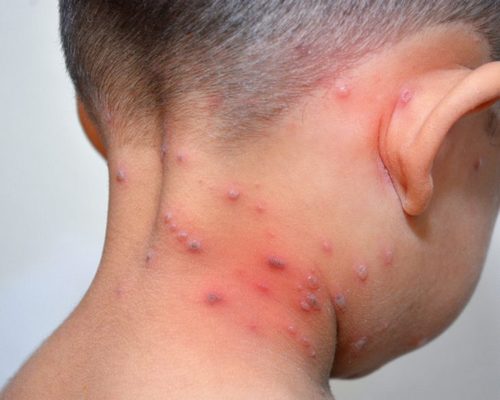
| Progression | Severe diarrhea, vomiting, abdominal pain, rash, liver injury, shock or bleeding. | Needs isolation, fluids, monitoring and expert care. |
How it spreads
Marburg spreads through direct contact with blood or body fluids of a symptomatic infected person, contaminated surfaces, infected animals such as fruit bats, and unsafe burial or healthcare exposures. It is not managed like a routine respiratory virus.
Treatment
WHO states that early intensive supportive care, including rehydration and treatment of specific symptoms, can improve survival. CDC notes that licensed treatments are not available; investigational products may be used only through outbreak protocols or clinical trials.
When to get medical care
Call emergency/public-health services before arriving at a clinic if Marburg exposure is possible. Seek urgent care for fever after travel to an outbreak area, contact with a suspected case, vomiting/diarrhea with dehydration, bleeding, confusion, shock, pregnancy, or healthcare/laboratory exposure.
FAQ
Is there an approved Marburg vaccine?
No approved vaccine is currently available; candidates are being studied in trials.
Can antibiotics treat Marburg?
No. Antibiotics do not treat the virus, though secondary infections may be treated in hospital.
Is someone contagious before symptoms?
CDC says infected people are not considered contagious until symptoms appear.

Human infection is possible by contact, in contact with blood and other secretions of the patient; airborne droplets in contact with the virus on the mucous membranes of the oral cavity and the conjunctiva; by injection in the injections. Known case of infection with hemorrhagic fever Marburg through sexual intercourse