
Naproxen and ibuprofen sit next to each other on pharmacy shelves because they do many of the same jobs: they reduce pain, fever and inflammation. That similarity can make them look interchangeable. They are not. The most useful difference for everyday decision-making is duration. A typical OTC naproxen sodium label uses an 8-to-12-hour interval, while a typical OTC ibuprofen label uses a 4-to-6-hour interval. The longer interval can make naproxen convenient for pain that lasts through the day or night; ibuprofen can be easier to fit around shorter episodes.
Short answer: Naproxen usually lasts longer per dose. Ibuprofen has a shorter dosing interval and may be more flexible for brief pain or fever. Neither is universally stronger or safer. Both are nonsteroidal anti-inflammatory drugs (NSAIDs), both can cause stomach bleeding, kidney injury and cardiovascular problems, and they should not be taken together.
Naproxen vs ibuprofen at a glance
| Question | Naproxen | Ibuprofen |
|---|---|---|
| Drug class | NSAID | NSAID |
| Typical U.S. OTC adult strength | Naproxen sodium 220 mg (equivalent to naproxen 200 mg) | Ibuprofen 200 mg |
| Typical OTC interval | Every 8 to 12 hours while symptoms last | Every 4 to 6 hours while symptoms last |
| Practical advantage | Longer coverage with fewer dosing times | Shorter, more flexible dosing window |
| Common OTC uses | Temporary relief of minor aches, arthritis pain, backache, menstrual cramps, headache, toothache, muscular aches and fever | Temporary relief of minor aches, backache, menstrual cramps, headache, toothache, muscular aches, arthritis pain and fever |
| Main safety concerns | Stomach or intestinal bleeding, ulcers, kidney injury, fluid retention, increased blood pressure, heart attack or stroke, allergic reactions and pregnancy-related risks | |
| Can they be combined? | No for routine self-treatment. Taking two NSAIDs together raises risk without creating a reliably better pain plan. | |
The intervals above are examples from current U.S. nonprescription labels, not a personal prescription. Prescription naproxen and ibuprofen come in other strengths and formulations. Children’s dosing is a separate question and may depend on age, weight and the specific liquid concentration.
How both medicines work
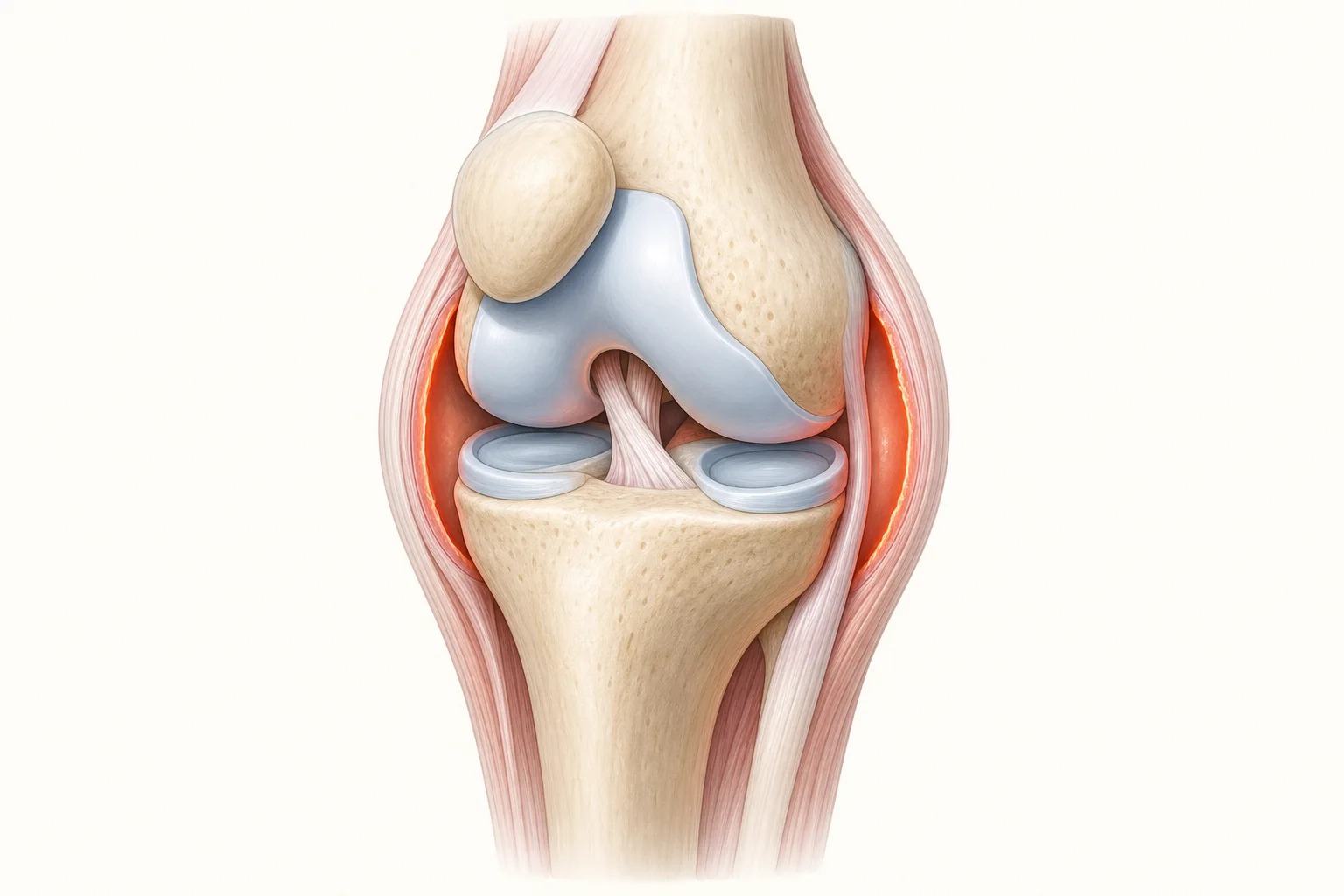
Ibuprofen and naproxen reduce the production of prostaglandins, chemicals involved in pain, inflammation, fever and several normal protective functions. Blocking prostaglandins can make an inflamed joint, menstrual cramp or dental pain feel better. The same mechanism also explains much of the risk: prostaglandins help protect the stomach lining, maintain blood flow through the kidneys and support normal cardiovascular balance.
This is why the sensible rule is not simply “take the strongest dose.” Regulators consistently advise using the lowest effective dose for the shortest necessary time. If pain is repeatedly returning, increasing the dose or moving from one NSAID to another can hide a problem that needs a diagnosis.
Which one fits different kinds of pain?
Headache
Either medicine may help some tension-type headaches or migraine attacks, but recurring headaches deserve more than repeated NSAID use. Frequent painkiller use can contribute to medication-overuse headache, and a sudden severe headache can be an emergency. Ibuprofen’s shorter interval may be practical for a brief episode. Naproxen’s longer duration may appeal when a clinician expects pain to return, but that is not a reason to take both.
Menstrual cramps
Both can reduce prostaglandin-driven menstrual pain. The better choice is often the one that is safe for the person, works at the labelled dose and fits the expected duration. Naproxen’s longer interval may cover a longer stretch of cramps; ibuprofen offers a shorter interval. Severe pain, fainting, very heavy bleeding, pain between periods or pain that is new after years of mild periods should be evaluated rather than repeatedly self-treated.
Dental pain
NSAIDs can reduce inflammation around a painful tooth, but neither treats a cavity, abscess or damaged tooth. Pain with facial swelling, fever, difficulty swallowing, difficulty breathing or swelling under the jaw needs urgent dental or medical care. Do not use temporary pain relief to postpone treatment of a suspected infection.
Sprains, strains and back pain
For a minor injury, either medicine can reduce pain enough to support gentle movement and rest. A longer-acting medicine is not automatically better if it masks worsening pain. Seek care after major trauma, inability to bear weight, obvious deformity, progressive weakness or numbness, loss of bladder or bowel control, or back pain with fever.
Arthritis and ongoing joint pain
Both drugs are used for inflammatory and osteoarthritis pain, but daily use changes the risk calculation. People who need an NSAID regularly should discuss the diagnosis, dose, stomach protection, blood pressure, kidney function and cardiovascular risk with a clinician. Exercise, physical therapy, weight management when relevant, topical treatments and condition-specific medicines may reduce the need for oral NSAIDs. See our evidence-based overview of chondroitin and osteoarthritis care.
Which is safer: naproxen or ibuprofen?
There is no honest universal winner. A healthy adult using one medicine briefly and exactly as labelled has a different risk profile from an older adult taking an anticoagulant, a diuretic and a blood-pressure medicine. Duration, dose, medical history and other medicines matter more than the brand on the box.
Stomach and intestinal bleeding
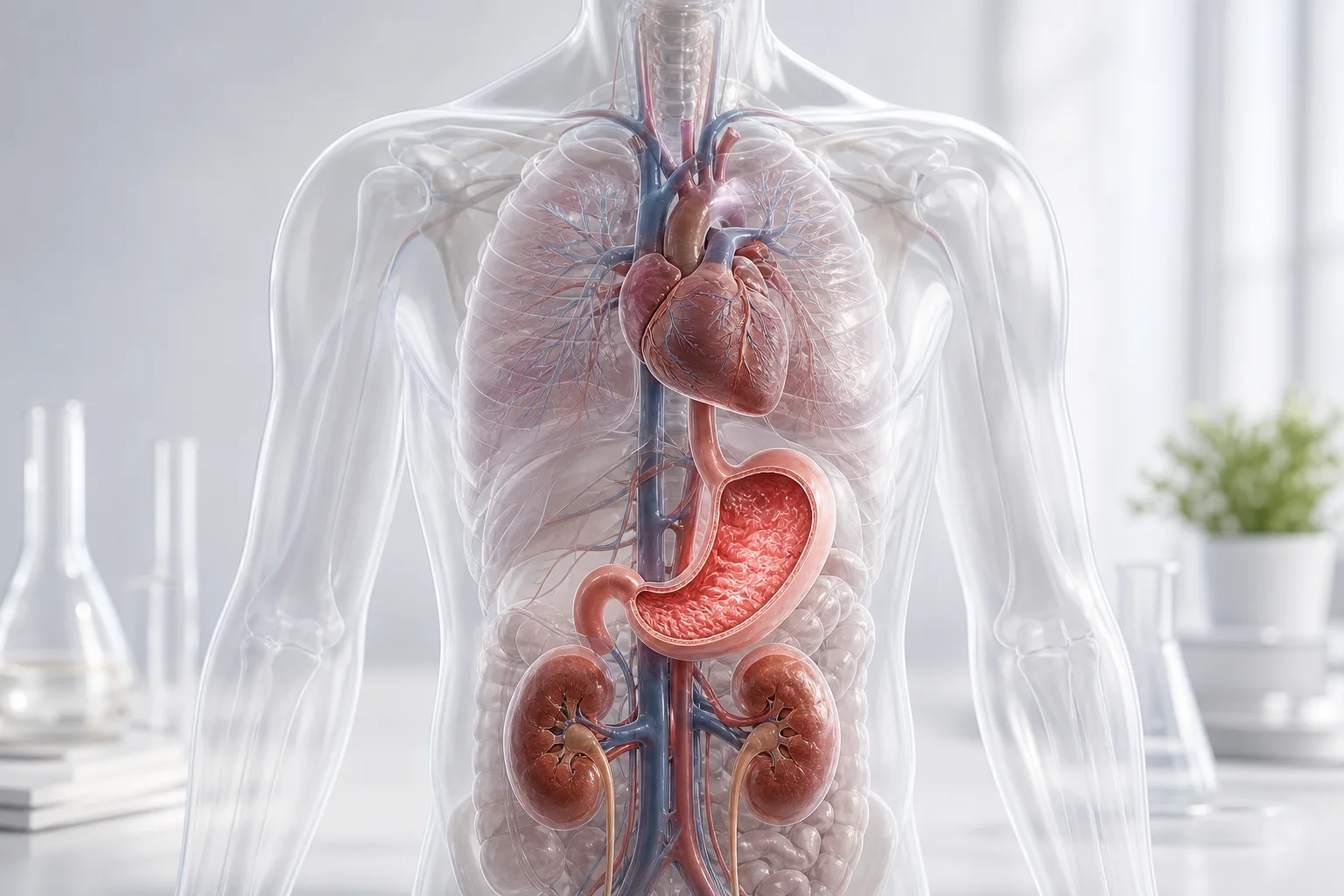
Both labels carry a serious stomach-bleeding warning. Risk is higher with older age, a history of ulcers or gastrointestinal bleeding, longer use, higher doses, regular alcohol use, smoking and medicines such as anticoagulants, corticosteroids, SSRIs or SNRIs. Taking an NSAID with food can reduce nausea or stomach upset, but it does not cancel the risk of an ulcer or bleeding.
Heart, stroke and blood pressure
Non-aspirin NSAIDs can increase the risk of heart attack, heart failure and stroke, sometimes early in treatment. Both may raise blood pressure or cause fluid retention. Do not self-treat with either after a recent heart attack or around coronary artery bypass surgery. If you have heart disease, prior stroke, heart failure, uncontrolled blood pressure, diabetes, high cholesterol or you smoke, ask a clinician or pharmacist before use.
Kidneys and dehydration
NSAIDs can reduce blood flow through the kidneys. The risk is higher with chronic kidney disease, older age, dehydration, vomiting or diarrhoea, heart failure, and combinations involving diuretics, ACE inhibitors or ARBs. The National Kidney Foundation advises people with kidney disease to check NSAID use with their healthcare team. Stop self-treatment and seek advice if urine output drops, swelling appears or you become unusually weak or short of breath.
Pregnancy and trying to conceive
The FDA advises avoiding NSAIDs at 20 weeks of pregnancy or later unless a healthcare professional specifically recommends them. Later use can affect fetal kidneys and amniotic fluid, and use around 30 weeks carries additional fetal heart risk. If pregnant, breastfeeding or trying to conceive, ask a qualified professional before using naproxen or ibuprofen. Low-dose aspirin prescribed for a pregnancy-related indication is a separate treatment and should not be stopped without the prescriber.
Asthma and allergic reactions
People who have had wheezing, hives, facial swelling or an asthma attack after aspirin or another NSAID should not experiment with a different NSAID. A reaction to ibuprofen can predict a reaction to naproxen because they share a drug class. Trouble breathing or swelling of the lips, tongue or throat requires emergency care.
What current OTC labels say
For adults and children aged 12 years and older, the cited U.S. ibuprofen 200 mg Drug Facts label says to take one tablet every 4 to 6 hours while symptoms persist; if one tablet does not help, two may be used, with no more than six tablets in 24 hours unless directed by a doctor.
The cited U.S. naproxen sodium 220 mg Drug Facts label says to take one tablet every 8 to 12 hours while symptoms last; for the first dose, two tablets may be used within the first hour, but no more than two tablets in any 8-to-12-hour period and no more than three in 24 hours.
Can you take naproxen and ibuprofen together?
Do not combine them for routine self-care. They act through the same NSAID pathway, so taking both can increase stomach, kidney and cardiovascular risk without providing a dependable extra benefit. The same warning applies when switching: do not take one because the other “has not kicked in” unless a pharmacist or clinician has helped you work out a safe interval.
Check cold, flu, migraine, menstrual and nighttime products for hidden NSAIDs. A brand family can sell several formulas with different ingredients. Read the active-ingredient panel every time.

What about aspirin?
Do not add pain-dose aspirin to ibuprofen or naproxen without professional advice. If you take low-dose aspirin for heart or stroke prevention, ask how to time any NSAID. The FDA notes that ibuprofen may interfere with aspirin’s antiplatelet benefit when taken together.
What about acetaminophen?
Acetaminophen is not an NSAID and does not share the same stomach-bleeding mechanism, but combining medicines still requires care. Acetaminophen can cause severe liver injury when the total dose from all products is too high. Ask a pharmacist before building a schedule, especially with liver disease, regular alcohol use, pregnancy, older age or several combination medicines.
A practical choice checklist
- Identify the problem. A minor short-lived ache is different from chest pain, a hot swollen joint, a dental abscess or pain after major trauma.
- Check your risk factors. Review ulcers, bleeding, kidney disease, heart disease, blood pressure, asthma reactions, pregnancy and dehydration.
- Check every medicine. Look for aspirin, ibuprofen, naproxen, diclofenac, ketoprofen or another NSAID in prescription and OTC products.
- Choose one NSAID, not two. Follow the smallest effective labelled dose for the shortest time.
- Set a stop point. If pain is worsening, keeps returning or lasts longer than the label allows, seek assessment instead of extending treatment.
When to stop and get medical help
Stop the medicine and seek urgent care for vomiting blood, black or bloody stools, fainting, severe stomach pain, chest pain, shortness of breath, one-sided weakness, slurred speech, facial or throat swelling, severe rash, very little urine or rapidly increasing swelling.
Get prompt clinical advice for pain after a serious injury, a hot swollen joint with fever, a severe or unusual headache, persistent tooth pain or facial swelling, pain that wakes you repeatedly, unexplained weight loss, or symptoms that keep returning after the OTC treatment window. Pain relief should make recovery easier, not postpone a diagnosis.
Frequently asked questions
Which is stronger, naproxen or ibuprofen?
Neither is universally stronger. Naproxen generally lasts longer per OTC dose, while ibuprofen has a shorter dosing interval. The effect depends on the condition, dose, formulation and individual response.
Which works faster?
Both are used for relatively prompt pain relief, but product formulation, food, the type of pain and the person all affect onset. The clearer label-based difference is duration: naproxen is usually spaced farther apart.
Is naproxen better for overnight pain?
Its longer interval may make it more convenient for pain expected to last overnight. Convenience does not override safety; nighttime pain that repeatedly wakes you should be evaluated.
Is ibuprofen easier on the stomach?
Do not assume so. Both carry ulcer and stomach-bleeding warnings. Personal risk factors, dose and duration matter, and food does not remove the bleeding risk.
Can I alternate naproxen and ibuprofen?
Not as a self-directed routine. Alternating two NSAIDs makes accidental overlap and excessive exposure more likely. Ask a pharmacist or clinician for a safer plan.
Can children take naproxen or ibuprofen?
Children require age- and often weight-specific directions. Do not use this adult comparison to dose a child or split an adult product. Use the exact paediatric label or instructions from a healthcare professional.
Sources reviewed
- DailyMed: Aleve (naproxen sodium) OTC Drug Facts
- DailyMed: Advil (ibuprofen) OTC Drug Facts
- European Medicines Agency: cardiovascular safety of non-selective NSAIDs
- FDA: Avoid NSAIDs at 20 weeks of pregnancy or later
- FDA: Information about taking ibuprofen and aspirin together
- MedlinePlus: Naproxen
- MedlinePlus: Ibuprofen
- National Kidney Foundation: medication safety with kidney disease


