Editorial review: osvilt.com Editorial Team
Last reviewed: July 29, 2026
This page provides general medical information and does not diagnose knee pain or replace care from a licensed clinician. Read our Medical Review Policy and Medical Disclaimer.
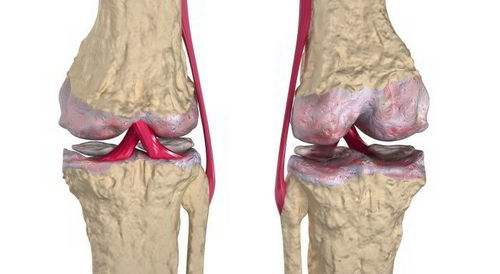
Bilateral gonarthrosis is another name for osteoarthritis affecting both knees. It can cause activity-related pain, stiffness, reduced confidence with walking, and limits on work, stairs or daily tasks. The diagnosis does not mean that both knees must feel the same, worsen at the same rate or need the same treatment.
Short answer: treatment aims to improve pain, movement and quality of life rather than promise a cure for worn cartilage. Current guidance puts tailored therapeutic exercise, information and support, and weight management when relevant at the centre of care. Medicines, injections, aids and surgery are considered in the context of a person’s symptoms, function, health conditions and goals.

What does bilateral gonarthrosis mean?
Gonarthrosis is a term commonly used for knee osteoarthritis. Osteoarthritis involves changes to the whole joint, including cartilage, bone, synovium, ligaments and surrounding muscles. It is not simply “bone rubbing on bone,” and the appearance of an X-ray does not reliably predict how much pain or disability a person will have.
Bilateral means both knees are affected. Risk can be influenced by age, a previous knee injury or surgery, joint alignment, family history, muscle weakness, the physical demands of work or sport, and body weight. These are risk factors, not a way to blame someone for developing knee osteoarthritis.
Symptoms and patterns
Common symptoms include pain that is worse with activity, short-lived stiffness after rest, difficulty with stairs, kneeling or getting up from a chair, reduced walking tolerance, and occasional swelling. Symptoms often fluctuate. A temporary flare does not necessarily mean that the joint has suddenly deteriorated, but a new pattern deserves attention.
| Feature | Can occur with knee osteoarthritis | Why it still needs context |
|---|---|---|
| Activity-related knee pain | Yes, especially with stairs, walking or standing. | Meniscal injury, tendon problems and other conditions can also cause it. |
| Morning stiffness | Usually brief, often under 30 minutes. | Longer stiffness, marked swelling or pain in many joints can suggest another inflammatory condition. |
| Cracking or clicking | Common and not always harmful. | Painful locking, repeated giving way or an inability to straighten the knee should be assessed. |
| Different symptoms in each knee | Common even when both knees have osteoarthritis. | A sudden change in one knee can be a new injury or another problem. |
How bilateral knee osteoarthritis is diagnosed
For many adults aged 45 or over, osteoarthritis can be diagnosed clinically when there is activity-related joint pain and little or no morning stiffness beyond about 30 minutes. NICE advises against routine imaging to confirm typical osteoarthritis. A clinician may order an X-ray, ultrasound, MRI or blood tests when symptoms are atypical, there was significant injury, another diagnosis is possible, or imaging would change the plan.
An assessment should look beyond a scan. Useful questions include what activities have become difficult, how far you can walk, whether knees give way or lock, how pain affects sleep and work, previous injuries or operations, other joints, medicines and conditions such as diabetes, heart disease or kidney disease. The examination may assess movement, swelling, alignment, strength, gait and the hips and spine.
What do grade 1, 2 or 3 labels mean?
People are often told they have a numbered “grade” after an X-ray. Imaging grades describe structural changes, but they are not a complete measure of pain or of the treatment a person needs. Two people with similar images may function very differently. Decisions should be driven by symptoms, goals, examination findings and response to treatment, not by a grade alone.
Evidence-based management
There is no one-size-fits-all plan. The most useful starting point is a shared plan with a clinician or physiotherapist that focuses on meaningful goals: walking comfortably enough for errands, returning to a valued activity, improving stairs or sleeping better.
1. Therapeutic exercise
NICE recommends therapeutic exercise tailored to the person, including local muscle strengthening and aerobic fitness. It may feel uncomfortable when first started, but regular, consistent exercise can improve pain and function over time. A physiotherapist can adapt the plan for balance, strength, pain level, fitness and any other health conditions. “No pain, no gain” is not the goal; a tolerable and sustainable progression is.
2. Weight management when relevant
For someone living with overweight or obesity, supported weight loss can reduce pain and improve function. This is one option in care, not a prerequisite for being listened to, offered pain relief or referred for a surgical opinion. Any achievable progress can be useful, and support should take account of health, access, food, mobility and personal circumstances.
3. Medicines and supportive options
Medicines may be used to support function and exercise, but choice depends on kidney, stomach, heart and bleeding risks, other medicines and individual preferences. For knee osteoarthritis, topical anti-inflammatory medicines may be considered before oral anti-inflammatories in some guidelines; a clinician or pharmacist should check whether they are suitable. Avoid copying someone else’s prescription or relying on supplements marketed as cartilage “rebuilders.”
A cane, brace, insole or other aid may help selected people, but should be matched to the person rather than bought blindly. Manual therapy, massage or similar approaches should not replace exercise; NICE considers manual therapy only alongside therapeutic exercise for hip or knee osteoarthritis.
4. Injections and surgery
Injections can be discussed for selected circumstances, usually as part of a broader plan, not as a guaranteed fix. Knee replacement may be considered when pain, stiffness or reduced function substantially affect quality of life despite appropriate non-surgical care. The decision is individual and includes expected benefits, alternatives, recovery, risks and the person’s goals; age or body size alone should not decide access to an assessment.
When knee pain needs urgent assessment
Do not assume every hot or swollen knee is osteoarthritis. Seek urgent medical help for a knee that is hot, red, very swollen and painful, especially with fever, chills or feeling generally unwell. A sudden inability to bear weight, a visibly changed knee after injury, rapid swelling, a knee locked so it cannot straighten, or a major fall or twist also needs prompt assessment.
Arrange a routine review sooner if pain is worsening, sleep or daily activities are persistently affected, symptoms are not improving with the agreed plan, or you are unsure whether the diagnosis fits the pattern. New unexplained weight loss, persistent night pain or pain in multiple joints should also be discussed with a clinician.
Preparing for a consultation
- Describe which daily activities are limited and what a better outcome would look like.
- Bring a list of medicines, supplements, allergies and other health conditions.
- Note recent injuries, changes in activity, swelling, giving way or locking.
- Ask which exercise approach is appropriate and whether physiotherapy or another service can help you start safely.
- Ask how treatment options fit your kidney, heart, stomach or bleeding risks if medicines are being considered.
Frequently asked questions
Can bilateral gonarthrosis be cured?
There is no treatment that restores every joint to a pre-osteoarthritis state. Effective care focuses on pain, movement, function, confidence and quality of life, using a plan that can be adjusted over time.
Do I need an MRI for knee osteoarthritis?
Not usually for a typical presentation. A clinician may arrange imaging when the history or examination suggests an alternative problem, injury or complication, or when imaging will change management.
Is exercise harmful for worn knees?
Guidelines recommend tailored therapeutic exercise. It can cause temporary discomfort when starting, but regular, appropriately progressed exercise can improve pain and function. A clinician or physiotherapist can adapt it when symptoms flare or other conditions are present.
When is knee replacement considered?
It may be discussed when symptoms substantially affect quality of life and non-surgical options have not provided acceptable relief. An orthopaedic consultation weighs the expected benefits and risks for the individual, rather than relying on an X-ray grade alone.
Sources reviewed
External sources were checked on July 29, 2026. We prioritised current clinical guidance and specialist educational material.
- NICE: Osteoarthritis in over 16s, diagnosis and management
- ACR/Arthritis Foundation guideline for hand, hip and knee osteoarthritis
- AAOS OrthoInfo: Osteoarthritis
- AAOS OrthoInfo: Total knee replacement
- NHS: Knee pain
- NHS: Septic arthritis