
Last reviewed: July 15, 2026. This article is for general information and does not replace advice from a licensed clinician.
Editorial review and sources
Editorial review: osvilt.com Editorial Team
Last reviewed: July 15, 2026
This medical article is based on current public medical sources and follows the osvilt.com Medical Review Policy. It is for general information only and does not replace professional care; see our Medical Disclaimer.
Gastroscopy, also called upper endoscopy or EGD, lets a clinician examine the esophagus, stomach and first part of the small intestine. Preparation matters because an empty stomach improves visibility and reduces vomiting or aspiration risk.
Short answer: Follow the instructions from your endoscopy unit first. Common guidance is no solid food for at least 6 hours and only small sips of water until about 2 hours before, but diabetes medicines, blood thinners, GLP-1 drugs, sedation and biopsy plans may change your instructions.
What changed in this update
The article was rewritten from a generic preparation note into a practical checklist. It now highlights fasting, medication review, diabetes, blood thinners, sedation and reasons to call the endoscopy unit before the appointment.
Preparation checklist
| Topic | Typical instruction | Ask before the test if… |
|---|---|---|
| Food | No solid food for at least 6 hours before many gastroscopy appointments. | Your hospital letter gives different timing. |
| Water | Small sips of water may be allowed until about 2 hours before. | You have delayed stomach emptying, severe reflux or vomiting. |
| Medicines | Bring a full medication list and take only what your unit says is safe. | You use blood thinners, diabetes medicines, iron, opioids or GLP-1 medicines. |
| Sedation | If sedated, arrange an escort and avoid driving or machinery for 24 hours. | You live alone, care for children, or cannot arrange transport. |
Medicines to discuss
Do not stop prescription medicines on your own. Ask the endoscopy team about anticoagulants and antiplatelet drugs, diabetes tablets or insulin, medicines that slow stomach emptying, and acid-suppressing medicines if the test is looking for specific causes of symptoms.
On the day
Bring your referral letter, medication list, allergy list, glasses or hearing aids if needed, and the name of the person taking you home if sedation is planned. Tell the team if you did not fast correctly, had a hypo, vomited, developed fever, or took blood-thinning medicine differently from the plan.
When to get medical care
Call the endoscopy unit before the appointment if you cannot fast safely, have diabetes and are unsure about medicines, take blood thinners, may be pregnant, feel acutely unwell, or have vomiting/food stuck symptoms. Seek urgent care for vomiting blood, black stools, severe chest/abdominal pain or trouble swallowing saliva.
FAQ
Can I drink coffee before gastroscopy?
Many units allow only water in the final hours. Milk, coffee and tea can coat the stomach or count as non-clear fluids, so follow your local letter.
Can I drive home after sedation?
No. Sedation can affect judgement and reaction time for about 24 hours; arrange an adult escort.
Will I always need to stop acid blockers?
Not always. Some units ask this for specific diagnostic reasons, while other follow-up tests require continuing them. Ask your clinician.
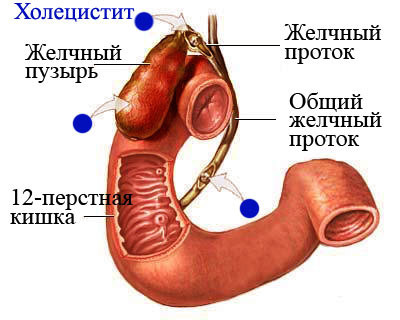
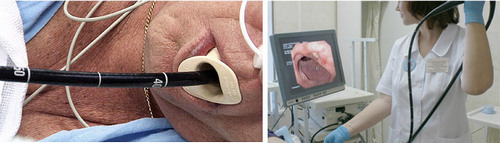
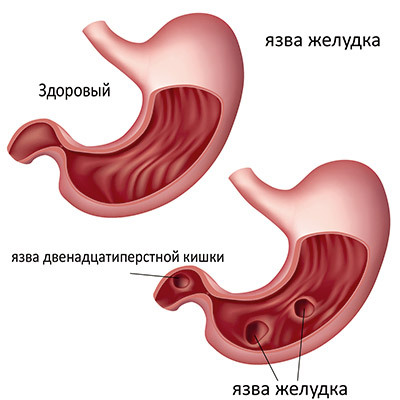
The most common and informative method for investigating the status of the internal wall of the digestive tract from esophagus to duodenum held for adults and children, is EGD (fibrogastroduodenoscopy). It is a endoscopic procedure that allows diagnostic in addition to perform certain remedial measures and to take cellular material for biopsy. For the successful completion and correct result is important preparation for EGD of the stomach.
You forgot something!